Land and due diligence
Before buying land, make sure the documents, the boundaries and the access all match
Look at land beyond the pin on a map, from the title documents and the real condition of the plot to access, and the questions to take to the Land Office for checking.
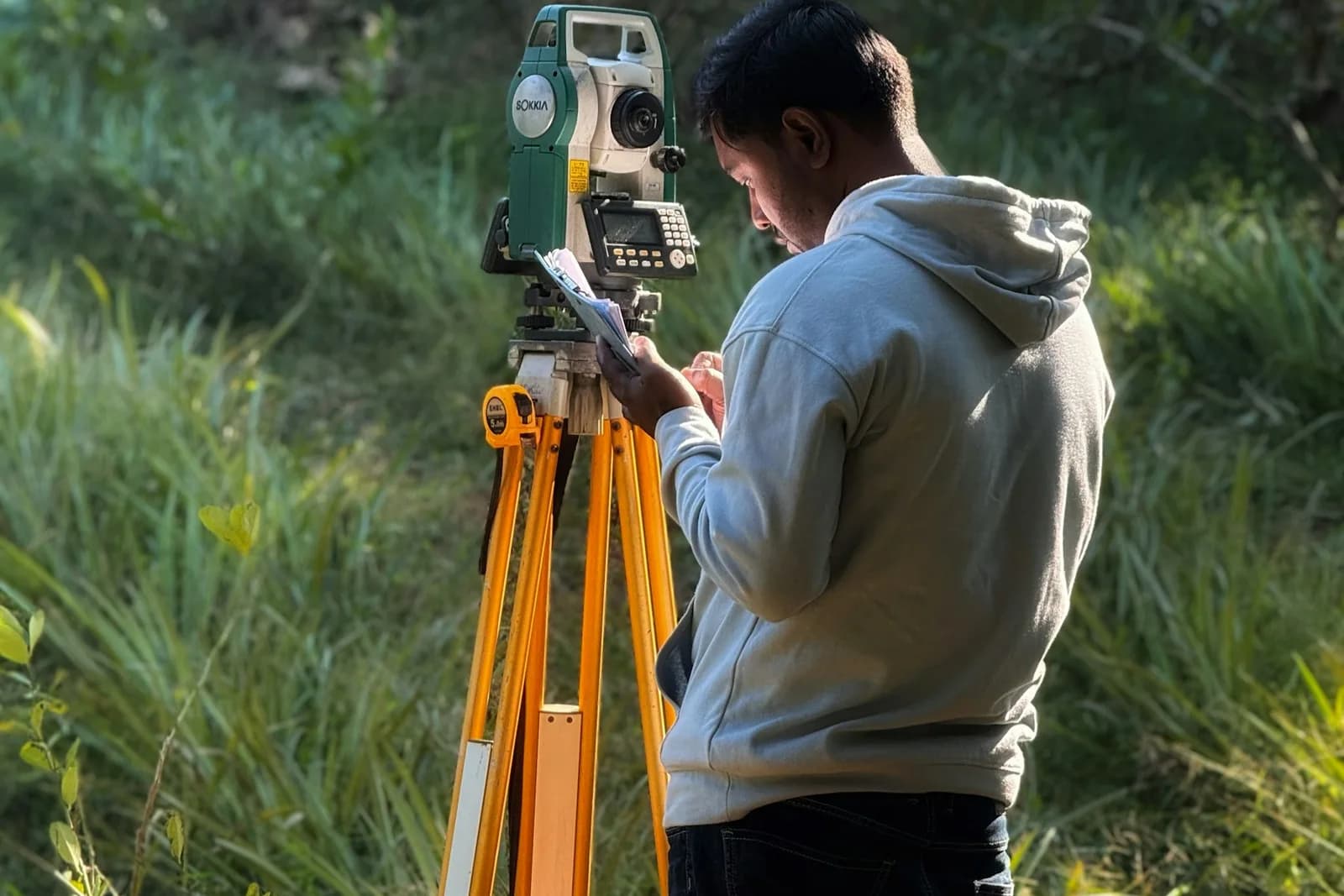
The land you walk onto, the plot marked with a pin in the listing, and the plot in the documents should all be the same plot. Before agreeing on a price, you should therefore make all three sources of information match. Even when a road runs past the front of the plot or it is already fenced, there are still things to check. This article helps you put your pre-purchase questions in order; it is not a certification of ownership or boundaries in place of the responsible authority.
1. Ask for enough document details to identify the plot
Start with the type of title document, the document number, the land parcel number, the subdistrict, district and province, and the name of the rights holder on the document. Do not assume that every document casually called a “land paper” gives the same rights. If the person offering the land for sale is not the name on the document, you must also check the role and authority of the person you are dealing with.
The Department of Lands advises finding out first which office is responsible for the document, so that you contact the right one. Prepare a list of the points you want checked, such as the name of the owner, the area and the registered entries, and ask about the documents and the procedure for your own case before you travel.
Sources: Department of Lands: Advice before contacting a Land Office
2. Walk the actual plot and note what the map does not tell you
Ask the seller to show you the actual site. Record the position of the entrance, the nature of the ground, the level relative to the road, and what adjoins the plot on every side. Also photograph the directions from which the entrance and the surroundings can be seen. If you cannot find the boundary markers, or the line of the fence does not match the information, do not automatically conclude that the fence marks the correct boundary.
Online maps are suitable for a preliminary look at the area, but a pin or a satellite image does not replace checking the documents and an official survey. When the boundary is an important issue, ask the Land Office about the verification or survey that suits your case. Do not use lines drawn on a screen as the basis for confirming the area you will buy.
- Check whether the plot you were shown matches the location and information used in the negotiation
- Ask about flooding, land filling and earlier improvement work, and look for supporting information
- Survey access to electricity and water and any restrictions on bringing in materials, by asking the authority or service provider directly
3. Having a path you can walk and having the right to use it are separate issues
If the access passes through someone else’s land, ask which plot it crosses and what right or agreement it relies on, then take the documents to the Land Office or an expert to be checked. The fact that people in the area are already using the path does not confirm the extent of a new buyer’s rights in every case.
Besides the status of the route, check its width, turns, gates and the real limits on its use, to see whether they fit your purpose. A route that a private car can pass may not be passable by a delivery truck or a construction vehicle. If you have to rely on rights over another plot, have an expert check the wording and the related registration before you agree.
4. Make a list of the matters to confirm before you pay
Gather the unclear matters into a short list, such as the current version of the document, registered entries, boundaries, right of way and your intended use, then note who will find each answer and from which authority. Do not let the answer to one matter stand in for another; for example, having an access route does not mean you can immediately set up the business you want.
If you have to put down money while waiting for checks, agree in writing on the conditions, the time limit, and how the money will be handled if the results are not as agreed. Read on about zoning colors and setbacks as well, to tell apart having rights in the land from the conditions for building and using it.