Zoning and location
What zoning colors tell you, and how to read them before buying land or opening a business
Learn the colors and codes for land use, and how to check the version of the plan that is actually in force, before you conclude that you can build a house, a shop or a factory.
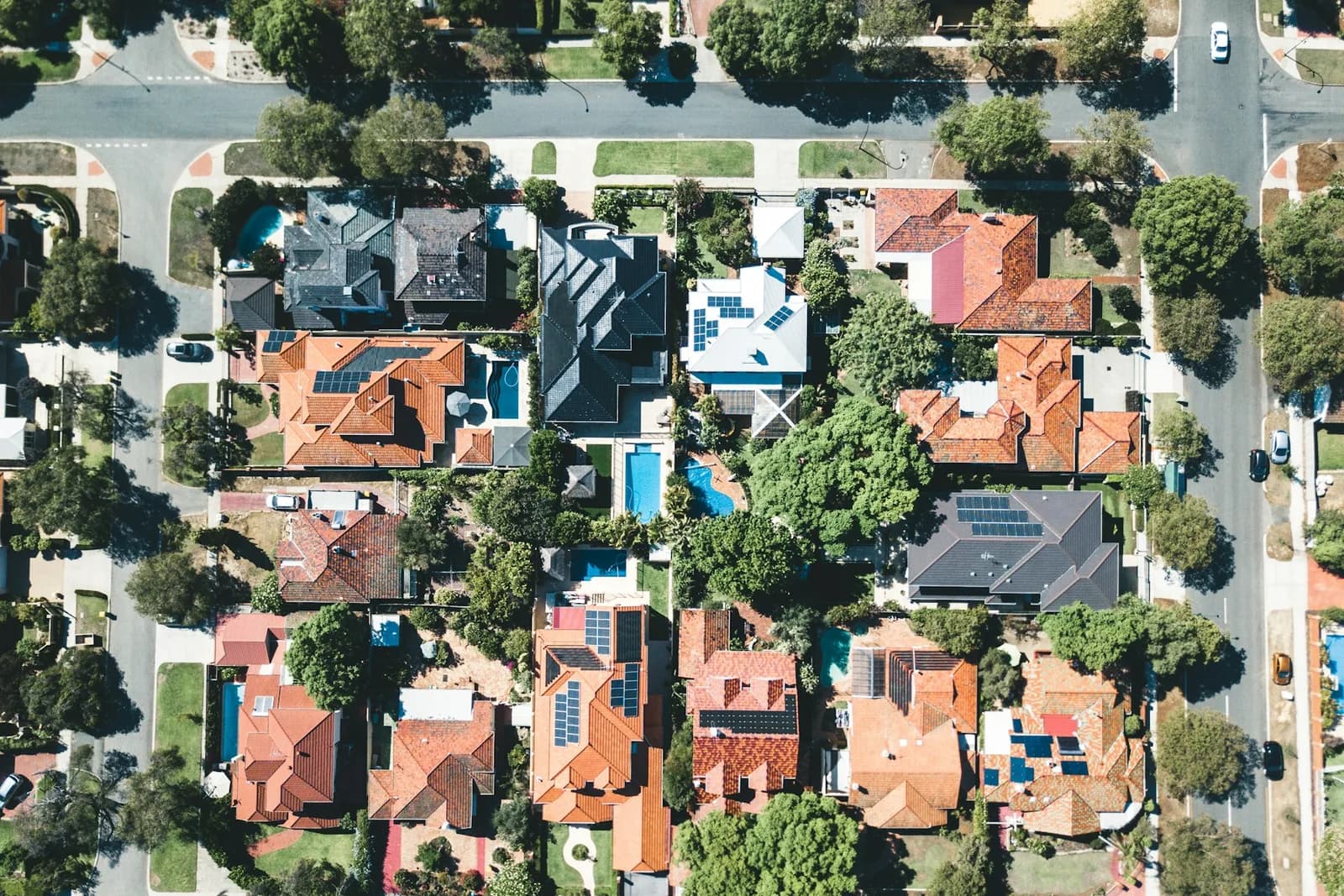
Does a red plot mean you can open any kind of shop? Or can you build a house on green land? The answer depends on more than the color on the map. Color indicates a land-use group, but the area code, the regulations and the activity you actually plan to carry out are what must be read together.
Start with the color legend of that version of the plan
The following examples are based on the legend of the 2013 Bangkok plan map and are meant to help you practice reading land categories. They do not confirm that the same colors or rules apply in every province or at every point in time.
| Example color | Land use category |
|---|---|
| Yellow | Low-density residential |
| Orange | Medium-density residential |
| Brown | High-density residential |
| Red | Commercial |
| Purple | Industrial |
| Green | Rural and agricultural |
Even with the same color, you still need to read the code and the sub-conditions
Do not decide based only on a screenshot or on being told it is a “commercial zone.” Note the area code of the plot and open the matching regulations to see which types of activity are permitted or prohibited, including the conditions on size and on how the space is used that relate to your project.
If there are requirements on the ratio of total building floor area to land area (FAR) or the ratio of open space to total building floor area (OSR), check the definitions and the calculation method of that plan with your designer. These figures must be read together with the building control rules; they are not a right to build the full floor area with no other limits.
Check step by step from the actual plot
The Department of Public Works and Town & Country Planning (DPT) offers checking through Landuse Plan, and a channel for applying for a land-use verification letter. Viewing information online without receiving a letter is a separate step from applying for the result as a document.
- Have the Chanote title deed (โฉนดที่ดิน), the location and the plot shape ready, and do not substitute a nearby pin without checking
- Check the name of the plan, the area it covers, its date, and whether it is in force
- Read the color, the area code and the regulations so that they match the plot, and if the plot lies close to a boundary line, ask for a further check
- Describe the planned activity clearly, such as a restaurant, a warehouse or a residence, together with its approximate size
- When the result will be used for an investment or a permit application, consider applying for a verification letter from the responsible authority
Keep a “draft zoning plan” separate from the plan in force
A map published for public comment may be a draft of an updated plan, so it should not be used to confirm current building rights. Always check the status and the related announcement documents with the agency that owns the plan, especially when you will use the information to put down reservation money or sign a contract to buy land.
For Bangkok, you can start by checking the map information in the system of the Department of City Planning and Urban Development of the Bangkok Metropolitan Administration (BMA), and then ask about conditions specific to your plot.
Sources: Bangkok Metropolitan Administration (BMA): Geographic information system for town planning
Example: you want to buy land to open a restaurant
Instead of asking only “What color is this plot?”, prepare questions such as how large the restaurant will be, what kind of kitchen or activities it will have, how many parking spaces you need, and which side the entrance and exit will use. Then have the authorities and a designer help check the land use, the building and the relevant licenses.
Location information and pins on listing websites can help you start exploring, but they are not a certification of the plot’s zoning color or of permission to build on it. Keep the verification results and the date of the check with the sale documents so you can refer back to them.