Location and living
Choosing a home near mass transit: do not judge it only by the distance from the pin to the station
Time the trip from your front door to your actual destination, and check the walking route, station entrances and exits, transfer points and travel budget before you decide to rent or buy.
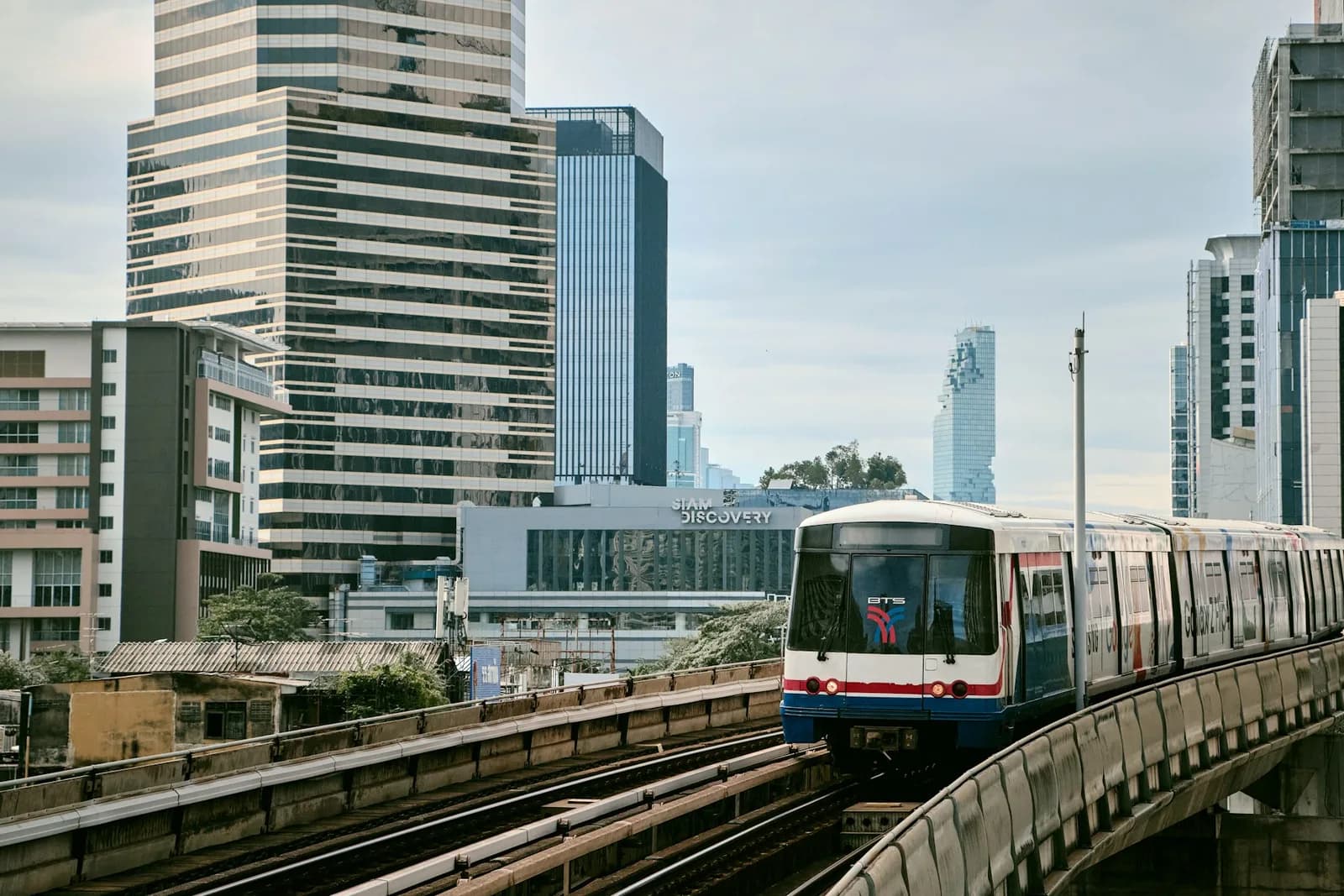
Being near mass transit can mean the straight-line distance on a map, the walking distance, or a distance that requires a connecting ride. Real convenience therefore starts the moment you leave your unit, not once you reach the station. Try comparing places to live using one day of your own travel, and you may find that the right unit is not the one closest to the station, but one that lets you live smoothly with costs you can afford.
1. Break the travel time into stages
Start timing from your front door: take the elevator down, leave the building, walk or ride to the station, pass through the entrance, wait for the train, transfer between lines, and leave the station to reach your destination. Do not leave out the small stages, because a route you must make every day may take more total time than you expect.
Try recording the outbound and return trips separately. If you work shifts, also check the service hours that match your days and direction of travel. Do not use the time from a daytime trial trip in place of travel at rush hour or late at night.
| Stage of the trip | What to try |
|---|---|
| From your unit to the front of the development | Elevator waiting time, which gates are open, and the walkway out |
| From the development to the station | The route you can really walk, crossings and connecting rides |
| Inside the transit system | Station entrance, line transfers and waiting time |
| From the arrival station to your destination | The exit you use and the final walking distance |
2. Check the walking route and the station entrance you will really use
Walk from the development to the station entrance you will use, rather than stopping the measurement at the track line or the middle of the station. Notice the sidewalks, crossings, lighting, places to shelter from the rain, and places where you must share the way with vehicles. If you travel with children, use a stroller or wheelchair, or often carry loads, also try the route that reaches the elevator.
Check station and route information directly with the operator, for example the BTS route and fare search page. Walking around the development helps answer questions about actual path conditions, which may not appear on the station map. For walks at night, choose a time or a companion that suits you.
Sources: BTS: Route search and fares
3. Include travel costs in your housing budget
Compare the rent or housing costs together with travel costs, including train fares, connecting rides, parking and travel outside normal hours. Use the number of days you actually have to go out to work, and there is no need to calculate on the basis of traveling every day if you work a hybrid schedule.
A unit with lower rent may have higher travel costs, but a unit close to a station is not right for everyone either. Try scoring the things that matter to your life, such as the size of the unit, noise, restaurants and getting home late at night, before deciding whether being close to a station is worth the extra cost.
4. Arrange viewings that give you more answers than pretty pictures
During the viewing, listen to the noise with the windows open and closed, notice the direction of the sun and the ventilation, and ask what time each gate of the development opens. If there is a shuttle service, check the latest schedule and conditions of use; do not assume the service runs at all times based only on a photo in the listing.
Make a shortlist of two or three options you like, and use the same destination route to compare them. Before signing the contract, go back and check the unit, the costs and what is included in the rent once more. Convenient travel is one part of the decision, together with all the living conditions.